

Introduction
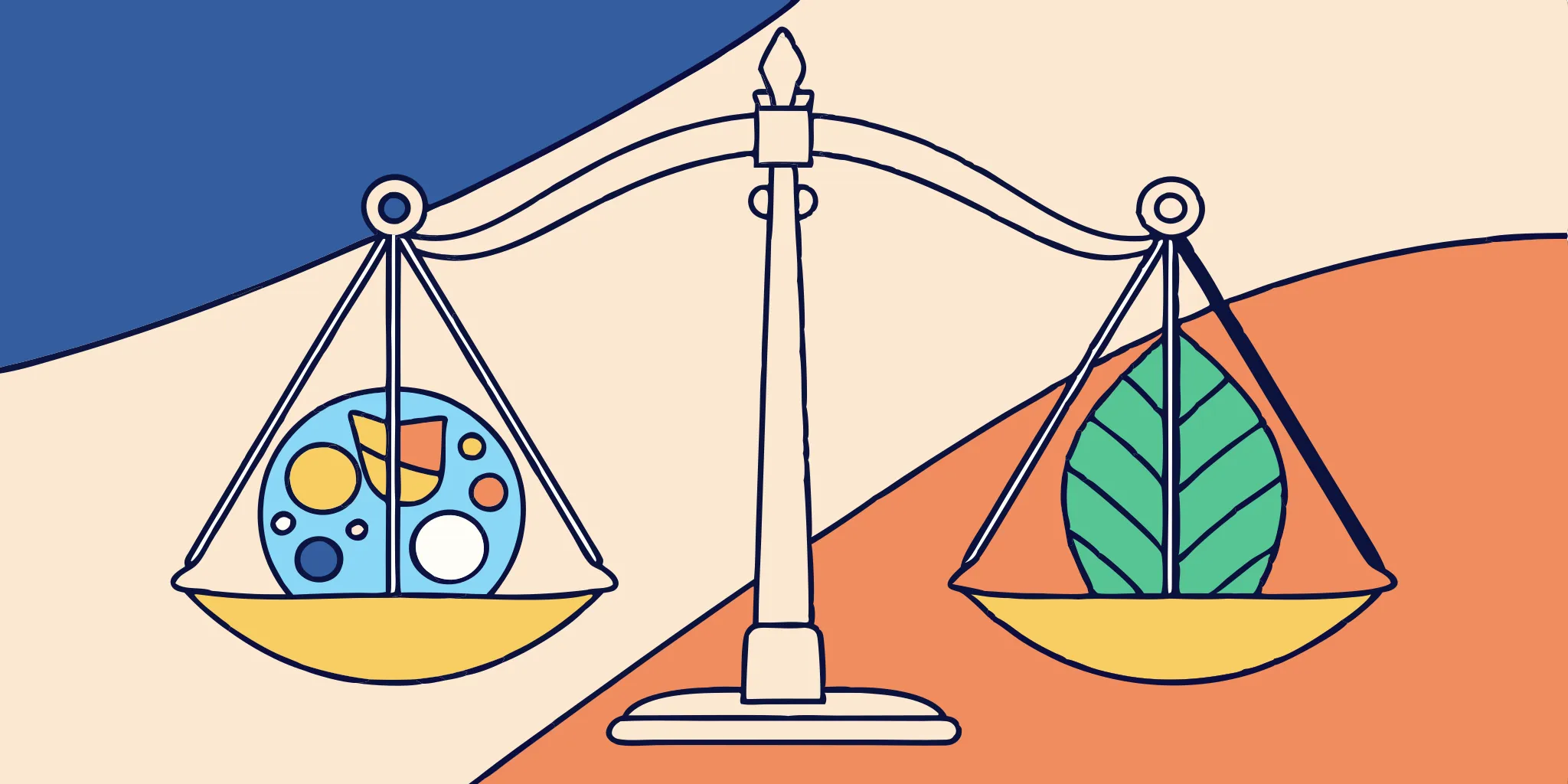
Balance is one of the foundational principles of design. It refers to the distribution of visual weight within a composition, creating a sense of stability and harmony. Just as physical balance keeps objects from toppling over, visual balance ensures that a design feels grounded and aesthetically pleasing.
Whether designing a poster, painting a canvas, or creating a web layout, understanding balance allows you to guide the viewer’s eye and build compositions that feel intentional and complete.
What Is Balance in Design?
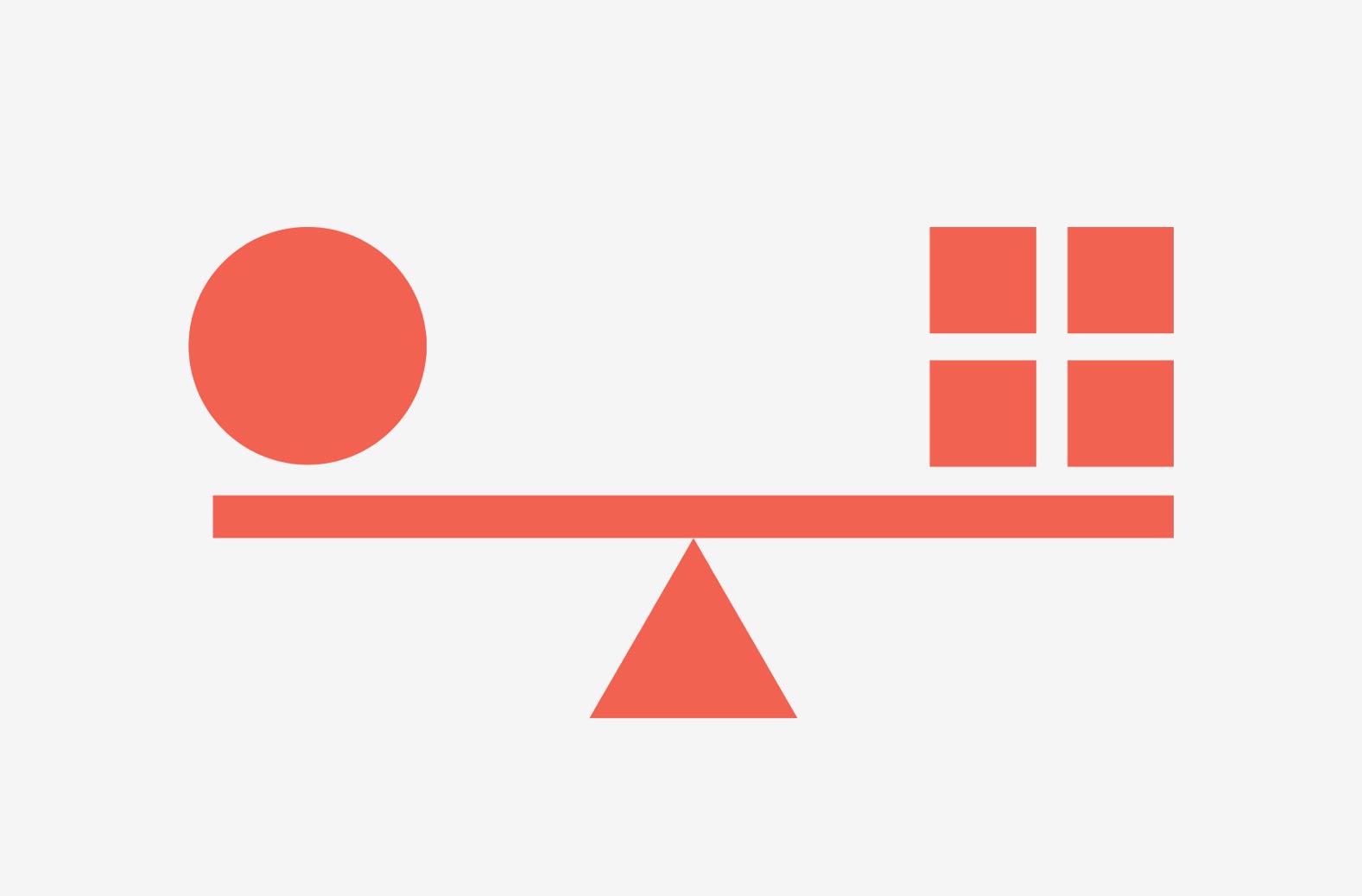
In design, balance is the arrangement of elements such that no one part of the design overpowers or feels heavier than the others. Visual weight is affected by factors like size, color, contrast, texture, and position. A well-balanced design provides visual comfort, while imbalance can create tension (sometimes deliberately).
Types of Balance
1. Symmetrical Balance (Formal Balance)
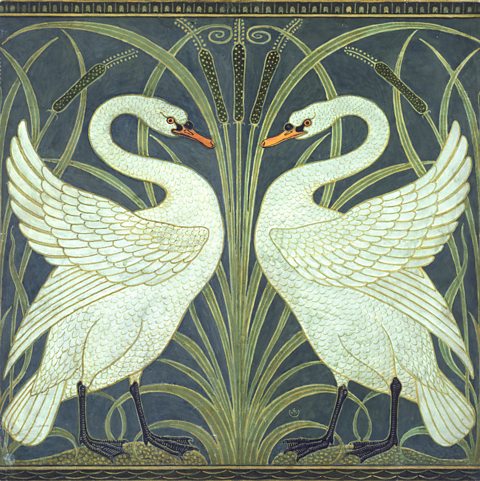
This occurs when elements are mirrored on either side of an axis—vertically, horizontally, or both. It creates a sense of order, tradition, and formality.
Example: The facade of the Taj Mahal or the layout of classical websites that have equal sidebars on both sides.
2. Asymmetrical Balance (Informal Balance)

This type relies on different elements with equal visual weight placed strategically to achieve balance. It is more dynamic and interesting than symmetrical balance.
Example: A large, light-colored element on one side can be balanced by a smaller, darker element on the other. Used in modern graphic design and editorial layouts.
3. Radial Balance
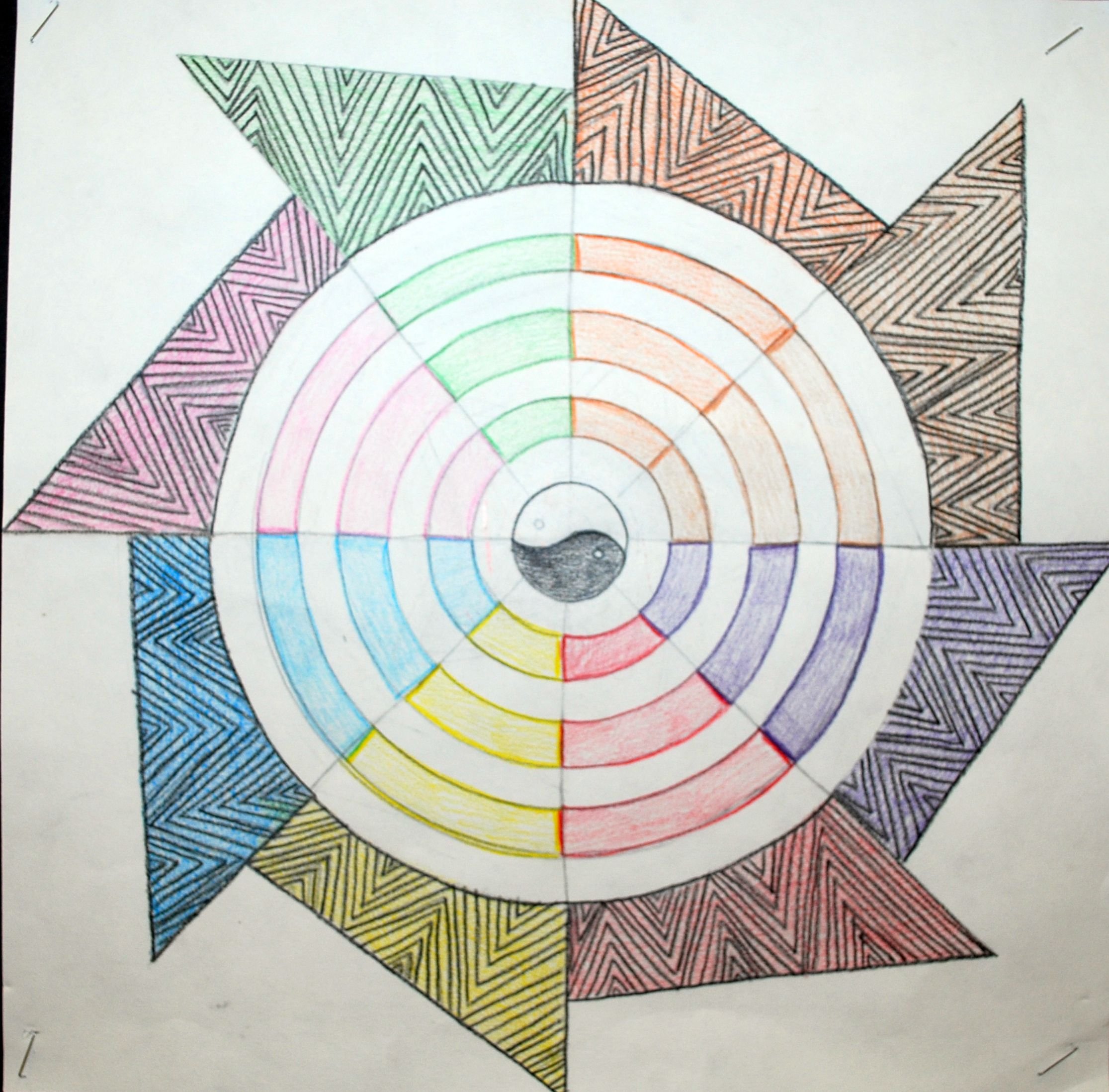
Elements radiate from a central point, often forming a circular pattern. This type of balance draws the eye inward and works well for dynamic compositions.
Example: Rose windows in Gothic cathedrals or logos like the Starbucks emblem.
How to Create Balance in Your Designs
1. Consider Visual Weight
Ask yourself: Which elements feel “heavier”? Large, dark, or textured elements have more visual weight. Distribute them to maintain equilibrium.
2. Use Color Strategically
Bright or saturated colors attract attention. Use them to create visual balance with neutral or muted elements.
3. Apply the Rule of Thirds
Divide your composition into a 3×3 grid. Position focal points near the intersections to maintain a balanced yet interesting layout.
4. Align and Distribute Elements
Proper alignment and spacing contribute to perceived balance. Use grids to ensure consistent spacing and proportional layouts.
Examples of Balance in Art and Design
- Leonardo da Vinci’s “Vitruvian Man” – A perfect example of symmetrical balance rooted in mathematical proportions.

- Piet Mondrian’s compositions demonstrate asymmetrical balance using color and geometry.

- Modern Website Layouts – Combine text, images, and whitespace to maintain balance across different screen sizes.

Common Mistakes to Avoid
- Overcrowding one side of a design
- Using too many contrasting elements without cohesion
- Ignoring the role of negative (white) space
- Relying only on symmetry, making designs predictable or static
Conclusion: Balance for Better Communication
Balance isn’t just about aesthetics—it’s about communication. When a design is visually balanced, viewers can navigate it easily, absorb its message clearly, and enjoy the experience. By understanding and applying different types of balance, you can elevate your designs from chaotic to compelling.
Whether you’re creating art, interfaces, or advertising, keep balance at the heart of your creative process.
✅ Keywords Used:
- balance in design
- Symmetrical vs. asymmetrical balance
- Radial balance examples
- Visual weight in design
- Composition balance
- Design principles
 The Complete History of Adobe Illustrator: From Vector Beginnings to Industry StandardGraphic Design
 Why Designers Love Working with Typography in Adobe IllustratorGraphic Design
 Canva vs. Adobe Illustrator: Which Design Tool Is Right for You?Graphic Design
 Time-Saving Canva Hacks Every Beginner Should KnowGraphic Design
 10 Time-Saving Canva Features Every Designer Should KnowGraphic Design
 Canva vs. Traditional Design Tools: Which One Is Right for You?Graphic Design
 Balance in Design: Achieving Harmony Through Visual WeightGraphic Design
 How Visual Hierarchy Guides the Viewer’s Eye: From Fine Art to Digital DesignGraphic Design
 Machine Learning: The Future of Intelligent SystemsArtificial Intelligence Technology
 Mastering Figma: The Ultimate Guide to Collaborative Design in 2025UI / UX
- The Complete History of Adobe Illustrator: From Vector Beginnings to Industry StandardGraphic Design
- Why Designers Love Working with Typography in Adobe IllustratorGraphic Design
- Canva vs. Adobe Illustrator: Which Design Tool Is Right for You?Graphic Design
- Time-Saving Canva Hacks Every Beginner Should KnowGraphic Design
- 10 Time-Saving Canva Features Every Designer Should KnowGraphic Design


Course Reviews
- Backend Development
5
Thank You very much for your effort with us

